Carbon Monoxide Safety for Gas Furnace Homes in New Westminster (2026)
You cannot see it, smell it, or taste it — which is why carbon monoxide safety for a gas furnace home comes down to two things: a furnace that is venting properly, and alarms that actually work. Here is the New Westminster checklist.
Free in-home assessment · Upfront pricing · Rebate paperwork handled
Published 2026-10-24 · Airmount Mechanical
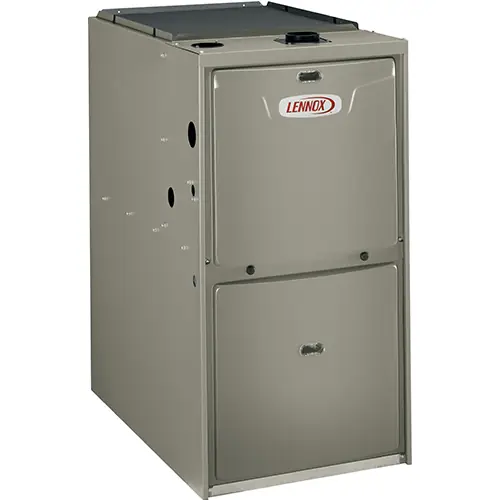
A well-maintained gas furnace should not be a CO problem. An ignored one can be.
When a gas furnace burns fuel cleanly and vents outdoors the way it was designed to, carbon monoxide leaves with the exhaust and never enters your living space. Trouble starts when combustion goes incomplete, the heat exchanger cracks, or venting is blocked or backdrafting — then a colourless, odourless gas can spill where your family breathes it. Carbon monoxide safety comes down to two habits: prevent the leak with annual service, and detect the leak you did not expect with working alarms outside every sleeping area. Do both, and a gas-heated home is a safe home. Skip both, and you are relying on luck.
Six furnace and home factors that raise the risk.
Most CO incidents in homes are not sudden equipment failures. They are slow problems — a vent slowly blocking, a heat exchanger slowly corroding — that an annual inspection would have caught while they were still cheap and safe to fix.
1. A cracked or corroded heat exchanger
The heat exchanger keeps combustion gases separate from the air blown through your ducts. Years of heating and cooling can crack or rust it, letting exhaust mix into household air every time the blower runs. Early cracks are invisible from the furnace door — finding them is a core reason for annual service, and a cracked exchanger is one of the clearest signs a furnace needs replacement rather than another repair.
2. Blocked venting and backdrafting in older homes
Many heritage houses in Queens Park, Sapperton and the West End still use atmospheric furnaces that rely on natural draft up a shared flue, sometimes alongside a gas water heater. A bird nest, a deteriorated liner, or a powerful new range hood can reverse that draft and push exhaust back indoors. If you have added exhaust fans, sealed the house tighter, or changed any fuel-burning appliance, ask for a venting and draft check.
3. The furnace is not the only source
Boilers and combi systems, gas water heaters and tankless units, gas fireplaces, gas stoves, and an attached garage with a car left idling can all produce carbon monoxide. A safety review should walk the whole house, not just the furnace room. If you are weighing a tankless unit, our guide to tankless water heaters for New Westminster homes covers the venting side of that decision. Keep the area around every fuel-burning appliance clear — never store boxes tight against a furnace or water heater, and never hang laundry from its venting.
4. Alarms in the wrong place — or past their expiry date
Install certified CO alarms — look for a CSA or ULC mark — outside each sleeping area and on every level of the home, following the manufacturer's instructions and your local fire department's guidance. Do not tuck one right beside the furnace or a gas stove, where brief normal traces can trigger nuisance alarms. Test monthly, replace batteries on schedule, and replace the whole alarm at its printed expiry date — sensors age out even when the test beep still sounds.
5. Symptoms that get mistaken for flu
Low-level exposure commonly causes headache, dizziness, nausea, fatigue, and confusion — easy to blame on a winter virus, especially when the whole household feels unwell at once and feels better after leaving the house. That pattern — same symptoms, worse indoors, better outdoors, no fever — means get into fresh air and have the home checked before sleeping there again. Higher exposure can cause vomiting, chest pain, loss of consciousness, and death, and people asleep may not wake to early symptoms at all. Never rely on noticing symptoms; that is what alarms are for.
6. Skipped annual service
An annual furnace service is the prevention half of this plan. A proper visit inspects the heat exchanger and burners, checks combustion, confirms venting is clear and drafting correctly, tests safety controls, and checks the filter. Book it in fall before the furnace runs daily — our fall furnace maintenance checklist shows what a thorough visit covers. If your furnace has gone several winters without anyone opening it up, do not wait for a symptom to book one.
Heritage houses and strata units need slightly different checks.
Detached heritage homes in New Westminster often combine an older furnace, an older chimney, and decades of renovations — the exact mix where venting assumptions stop being true, so combustion and draft testing matters most there. Downtown and Brewery District condos and townhomes raise different questions: is there a fuel-burning appliance in the unit, is the unit next to a parkade or service room, and who maintains the alarm — owner or strata? If you rent, confirm with your landlord who tests and replaces your alarms, and never remove a battery to silence a chirp without replacing it the same day. Whatever the housing type, every home with a fuel-burning appliance, a fireplace, or an attached garage needs working CO detection.
Get out first. Investigate later, from outside.
Treat every CO alarm as real until responders tell you otherwise. Get everyone — including pets — out into fresh air right away. Do not linger to air the house out, search for the source, or re-enter for belongings. From outside, call 911 and follow their instructions. Do not run the furnace again until it has been inspected and cleared. The same rule applies if several people develop flu-like symptoms at once, even with no alarm — a missing or expired alarm does not prove the air is safe.
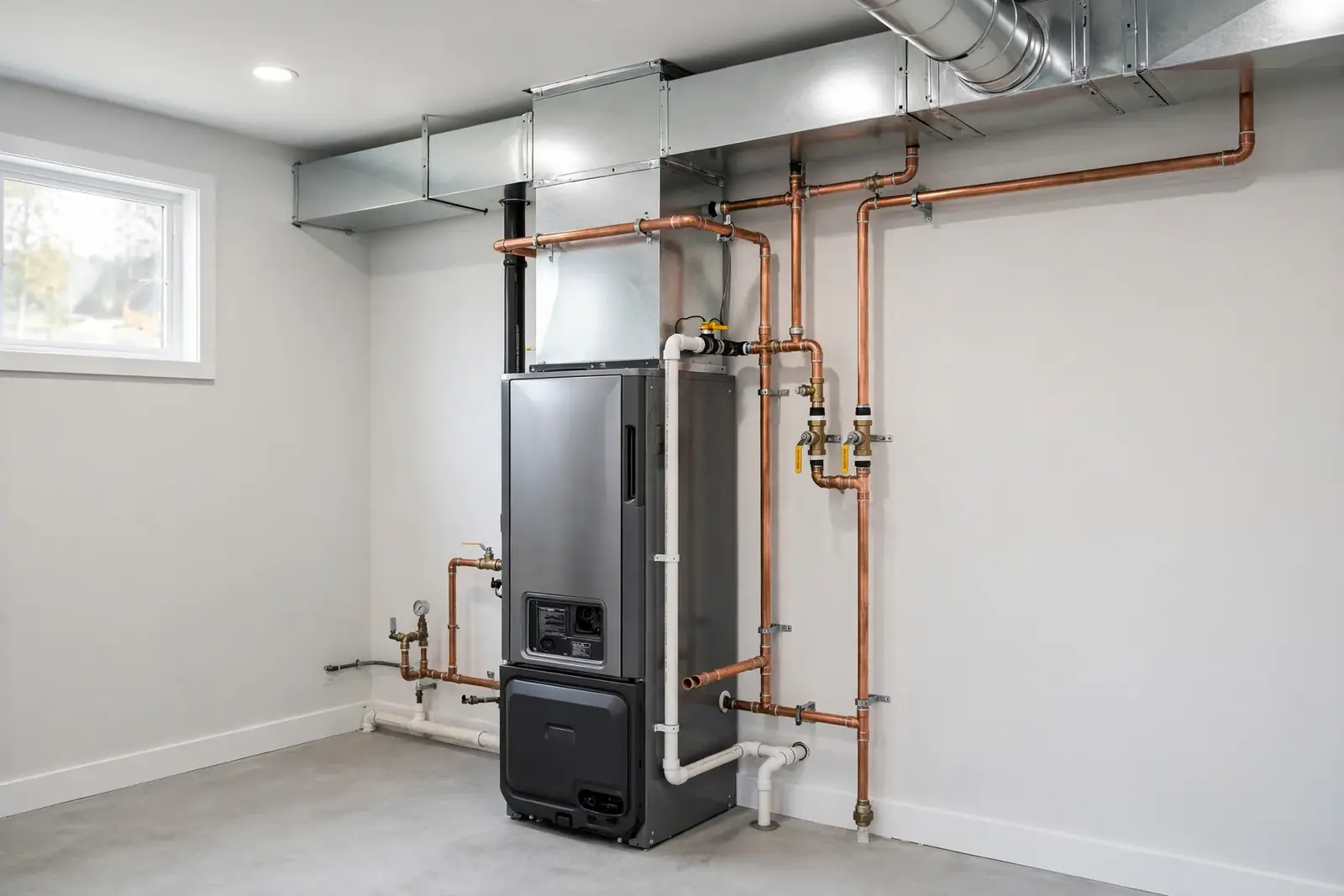
Removing combustion removes this particular risk.
An all-electric heat pump produces no carbon monoxide in the home because nothing burns. At Airmount Mechanical, heat pump installation starts from $13,000 installed with financing from $100 per month, and up to $21,500 in combined BC rebates may be available for switching off fossil-fuel heat — we will confirm your eligibility during a free in-home assessment. Switching is a choice, never a scare tactic: a serviced gas furnace with working alarms is a sound system. To explore it, start with our heat pump installation page. If you are keeping gas, our furnace replacement page explains what a modern sealed-combustion replacement involves when an old furnace reaches the end.
Two habits cover almost all of the risk.
Book the annual service so combustion and venting problems are found on a schedule instead of by an alarm at 2 a.m., and keep certified, in-date CO alarms outside every sleeping area and on every level, tested monthly. That is the whole programme — inexpensive, unglamorous, and effective. Need a furnace safety check or a free in-home assessment anywhere in New Westminster or the Lower Mainland? Call Airmount Mechanical at (604) 999-4441 or email Info@airmountmechanical.com. We are at 2175 Lawson Ave, West Vancouver, BC, with upfront fixed pricing on any work that follows. Browse all our articles for more straight answers.
Common questions
How does a gas furnace cause carbon monoxide poisoning?
A furnace produces carbon monoxide whenever gas burns, but a healthy system vents all of it outdoors. Poisoning happens when that separation fails: a cracked heat exchanger lets exhaust mix into household air, or blocked or backdrafting venting spills exhaust into the home instead of carrying it up the flue. Both problems usually develop slowly, which is why an annual inspection that checks the heat exchanger, burners, and draft is the main prevention.
Where should carbon monoxide alarms be installed in a New Westminster home?
Install certified alarms (CSA or ULC mark) outside each sleeping area and on every level of the home, at the height and distance from fuel-burning appliances the manufacturer specifies, and follow your local fire department's guidance. Avoid placing an alarm immediately beside a furnace or gas stove, test every alarm monthly, and replace each unit at its printed expiry date — the sensor wears out even if the test button still beeps.
What are the symptoms of carbon monoxide poisoning?
At low levels: headache, dizziness, nausea, fatigue, and confusion — often mistaken for flu, especially when several household members feel ill at the same time, symptoms worsen indoors, and there is no fever. Higher exposure can cause vomiting, chest pain, loss of consciousness, and death. If you suspect exposure, get everyone into fresh air immediately and call 911 from outside.
What should I do if my CO alarm goes off?
Get everyone, including pets, outside into fresh air right away. Do not stay inside to open windows, search for the source, or collect belongings. Call 911 from outside or a neighbour's home and do not re-enter or run the furnace again until responders and an inspection have cleared the home.
How often should a gas furnace be serviced for CO safety?
Once a year, ideally in fall before daily heating season. A proper service inspects the heat exchanger and burners, checks combustion and flame condition, confirms venting is clear and drafting correctly, and tests safety controls. Homes with older atmospheric furnaces or shared flues — common in New Westminster heritage houses — benefit most, because venting problems develop gradually.
Does switching to a heat pump eliminate carbon monoxide risk?
It eliminates the furnace as a source, because an electric heat pump burns nothing in the home. You would still need CO alarms if you keep any other fuel-burning appliance, a fireplace, or an attached garage. Heat pump installation at Airmount starts from $13,000 installed with financing from $100 per month, and up to $21,500 in combined BC rebates may be available when switching off fossil-fuel heat — we will confirm your eligibility.
Get an exact price for your home.
Call (604) 999-4441 or book a free in-home assessment. We'll measure, calculate your heat load, and quote one fixed price — no guesswork.
Or email us at Info@airmountmechanical.com
Related reading
Tankless in New Westminster
Pros, cons, and venting considerations for tankless water heaters in New Westminster homes.
Tankless water heaters: pros and cons →Furnace replacement
When a cracked heat exchanger or an aging furnace means replacement, not repair.
Furnace replacement in West Vancouver →All articles
Heating, cooling, and hot water advice for New Westminster and Lower Mainland homeowners.
The Airmount blog →