
Preparing Your HVAC for a Greater Vancouver Winter
Greater Vancouver winters are damp, dark, and deceptively hard on heating systems. A one-hour fall check — plus one proper service visit — is the difference between steady heat in January and an emergency call during the first cold snap.
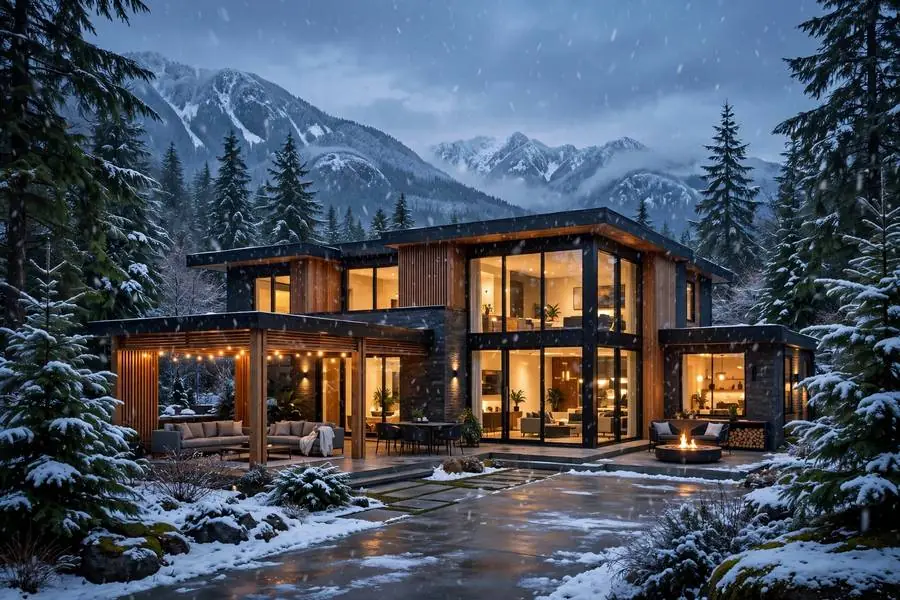
Free in-home assessment · Upfront pricing · Rebate paperwork handled
Published 2026-10-19 · Airmount Mechanical
Do it in October, not during the first freeze.
To prepare your HVAC for winter in Greater Vancouver, start before you actually need the heat. Turn the system on in October and let it run, replace or clean the filter, clear leaves and debris away from any outdoor unit, open and check every vent inside, test your carbon monoxide alarms, and book a professional service visit while appointments are still easy to get. Weeks of damp cold here keep furnaces, boilers, and heat pumps running almost constantly — and that steady load exposes a dirty filter, a tired igniter, or a blocked intake that sat unnoticed all summer.
Damp cold, atmospheric rivers, and the odd real freeze.
Across Greater Vancouver the pattern is the same: long rain, high humidity, and temperatures hovering just above freezing, punctuated by a week or two of genuine cold. Humidity makes a house feel colder than the thermostat suggests, so systems run longer, and wind drives leaves into outdoor units and against intake pipes. Preparing early is about removing the small, predictable causes of a mid-winter breakdown.
1. Test the heat while it is still mild
Set the thermostat a few degrees above room temperature and let the system run for 15 to 20 minutes. Listen for grinding, rattling, or repeated starting and stopping, and check that warm air — or warm radiators — reaches every room. A faint dusty smell on the first run is normal; a strong burning smell, a sooty smell, or a system that shuts itself off is not. Finding that out in October lets you book a repair on your schedule, instead of joining the queue during a cold snap.
2. Replace the filter and free up the airflow
A clogged filter is the simplest winter problem to prevent and a common cause of poor heating. It forces the blower to work harder, leaves far rooms cold, and can make a furnace overheat and shut down. Put in a fresh filter before the season, check it monthly, and open any supply vents closed for summer or blocked by furniture. Keep return-air grilles clear too — a system that cannot breathe in cannot heat properly.
3. Clear and protect the outdoor unit
If you heat with a heat pump, the outdoor unit works all winter, so give it room. Trim back shrubs, rake away leaves, and make sure drainage can carry meltwater away instead of refreezing around the base. During snow, brush the unit off gently and keep the top and sides uncovered — never chip ice off coils. A heat pump will frost and defrost itself in damp cold; that cycle is normal, and our guide to how heat pumps handle a Lower Mainland winter explains what normal looks like versus a real fault.
4. Check intakes, exhausts, and carbon monoxide safety
Gas furnaces and boilers send exhaust out through pipes or a chimney that can be blocked by leaves, nests, or debris. Find those terminations outside and confirm they are clear before the season, and again after windstorms and snowfall. Indoors, test every carbon monoxide alarm and confirm alarms are present on each level and near sleeping areas. If an alarm sounds, leave, call emergency services, and do not re-enter until it is cleared.
5. Set the thermostat for winter, not summer
Review your schedule before the cold arrives. Program lower temperatures overnight and while the house is empty, and a steady, comfortable setting for the hours you are home and awake. With a heat pump, avoid deep overnight setbacks unless your system is set up for them — recovering from a big drop can trigger expensive backup heat in the morning and erase the saving. Small, steady adjustments suit Greater Vancouver homes best. If your thermostat itself is inaccurate, unresponsive, or too basic to hold a sensible schedule, autumn is the calmest time to replace it.
6. Book the professional service visit early
The homeowner checks catch the obvious; a service visit catches the rest. A technician inspects burners, tests ignition and safety controls, checks electrical connections, and confirms the system shuts down safely. For hydronic homes, that visit also covers boiler pressure, the circulator pump, and bleeding radiators. Our fall furnace maintenance checklist shows what a thorough visit includes. Book in October if you can — by the first freeze, every good shop in the region is triaging breakdowns first.
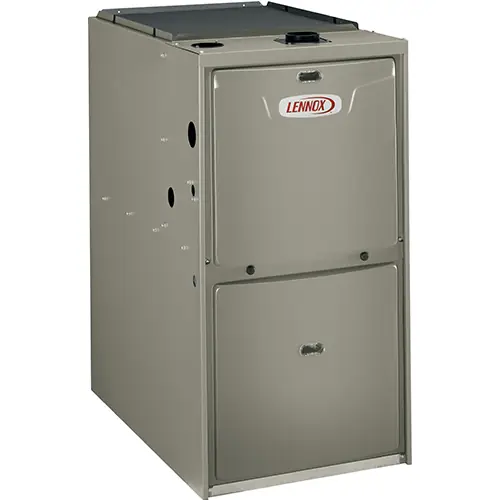
Your heating system heats the house you give it.
No tune-up can compensate for a house that leaks heat. Feel for drafts around doors and older windows on a windy day, replace worn weatherstripping, and close the fireplace damper when it is not in use. In hillside and waterfront homes in West and North Vancouver, wind exposure makes those small gaps matter. These inexpensive fixes shorten run times all winter.
Sometimes winter prep reveals the system is done.
If the fall test run produces a cracked-heat-exchanger warning, repeated shutdowns, or a repair quote that rivals a down payment on new equipment, pause and price the replacement properly instead of patching through another winter. Our furnace replacement page explains what a replacement involves, and our heat pump installation page covers the electric option: installations from $13,000 installed, financing from $100 per month, and up to $21,500 in combined BC rebates when switching off fossil-fuel heat — we will confirm your eligibility before you commit. Either way, you get a heat-load calculation and one upfront fixed price, not a guess, and most installations are completed in a single day by our own crew.
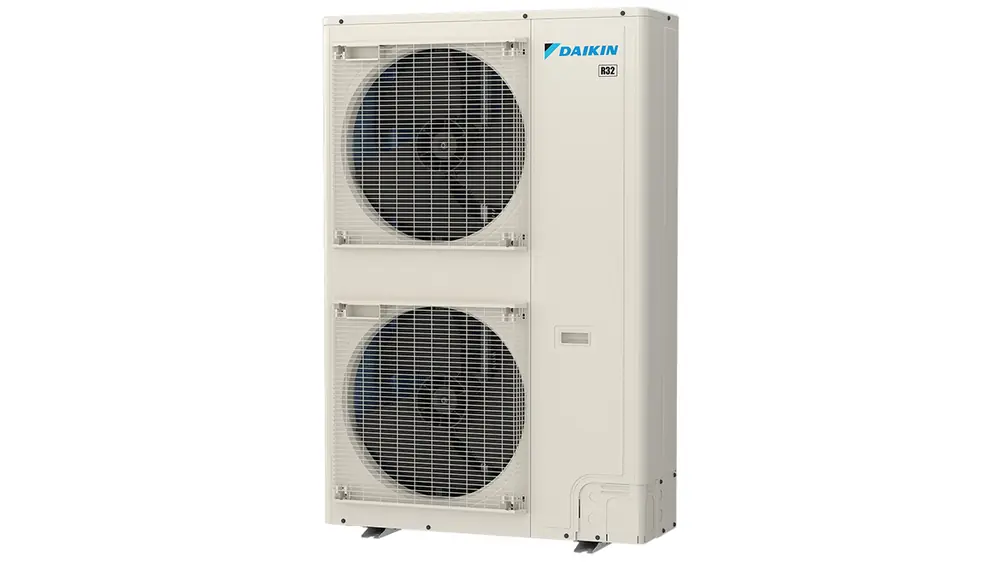
One hour now, fewer surprises in January.
Test run, fresh filter, clear vents, clear outdoor unit and exhausts, working carbon monoxide alarms, sensible thermostat schedule, service visit booked. That is the whole routine — and it covers the large majority of the mid-winter no-heat calls we see across Greater Vancouver every year.
Winter here rewards the prepared, quietly.
Greater Vancouver will not test your heating with prairie cold — it will test it with endurance: months of damp, near-freezing weather where a tired system never gets a day off. Prepare yours in October and it will mostly disappear into the background, which is exactly what good heating should do. Need a hand with the service visit, or did the test run reveal something worrying? Call us at (604) 999-4441 or email Info@airmountmechanical.com — Airmount Mechanical, 2175 Lawson Ave, West Vancouver, BC, serving the whole Lower Mainland with a free in-home assessment and upfront fixed pricing. Browse all our articles for more seasonal guides.
Common questions
When should I prepare my HVAC for winter in Greater Vancouver?
October is ideal. Test the heat while the weather is still mild, change the filter, clear the outdoor unit and vent terminations, and book your professional service visit before the first cold snap fills every schedule. Preparing early turns an urgent breakdown risk into a routine appointment on your terms.
What can I check myself before calling a technician?
Run the heat for 15 to 20 minutes and listen for unusual noises or repeated shutdowns, replace the filter, open supply vents and clear return grilles, remove leaves and debris from around any outdoor unit, confirm furnace intake and exhaust pipes are unobstructed, and test your carbon monoxide alarms. Anything involving burners, gas, refrigerant, or electrical components belongs to a technician.
How should I set my thermostat for a Greater Vancouver winter?
Use a moderate, steady schedule: comfortable while you are home and awake, a few degrees lower overnight and when the house is empty. If you heat with a heat pump, avoid deep overnight setbacks, because the morning recovery can trigger backup heat and cost more than it saves. Small adjustments suit our damp, near-freezing winters best.
Is it normal for my heat pump to frost up and steam in winter?
Yes, within limits. In damp cold weather a heat pump's outdoor coil frosts, and the system periodically reverses to defrost it, which can produce a brief cloud of steam and a pause in heating. That is normal. Thick ice that never clears, a unit encased after defrost cycles, or indoor temperatures that keep falling are not — book a service visit.
What are the signs my furnace will not make it through winter?
Repeated shutdowns or short cycling, ignition that takes several tries, loud banging or grinding, a sooty or strong burning smell, rising gas bills with no change in weather, and any carbon monoxide alarm are all reasons to call promptly. If a fall inspection finds a cracked heat exchanger, replacement — not repair — is the safe path, and we will show you the finding and quote one fixed price.
How much does getting winter-ready cost?
The homeowner checks in this guide cost nothing but an hour and a filter. A professional service visit is priced when you book — call (604) 999-4441. If winter prep reveals the system should be replaced, heat pump installations start from $13,000 installed with financing from $100 per month, and switching off fossil-fuel heat can unlock up to $21,500 in combined BC rebates; we confirm your eligibility during a free in-home assessment.
Get an exact price for your home.
Call (604) 999-4441 or book a free in-home assessment. We'll measure, calculate your heat load, and quote one fixed price — no guesswork.
Or email us at Info@airmountmechanical.com
Related reading
Heat pumps in winter
What normal defrost, frost, and cold-snap performance actually look like in the Lower Mainland.
How heat pumps handle a Lower Mainland winter →Furnace replacement
When prep reveals the furnace is done: what replacement involves and how pricing works.
Furnace replacement in West Vancouver →All articles
Heating, cooling, and hot water advice for Greater Vancouver and Lower Mainland homeowners.
The Airmount blog →