Furnace Not Working, No Heat: 6 Safe Checks for Port Coquitlam Homes (2026)
A furnace not working with no heat on a damp Port Coquitlam morning does not always mean a breakdown. Before you call, work through six safe, tool-free checks — thermostat, power switch, breaker, filter, vents, and error codes — and know exactly where to stop for safety.
Free in-home assessment · Upfront pricing · Rebate paperwork handled
Published 2026-10-31 · Airmount Mechanical
Stop first if you smell gas or your CO alarm sounds.
Before any troubleshooting: if you smell rotten-egg gas, hear a carbon monoxide alarm, see smoke, or feel dizzy or nauseous, stop. Do not touch switches, do not try to relight anything, and do not open the furnace cabinet. Get everyone outside and call your gas utility's emergency line or 911 from outside the home. The six checks below are only for a quiet, odour-free house where a furnace not working has simply left you with no heat — the most common situation we see in Port Coquitlam, from older ranchers near Mary Hill to townhomes around Riverwood and homes in Citadel Heights. Work through them in order; each takes a minute or two and needs no tools beyond a fresh filter and new thermostat batteries.
Work down this list before you book a repair visit.
A surprising share of no-heat calls end at one of these steps — a setting changed during cleaning, a switch bumped by a storage box, or a filter so loaded the furnace shut itself down. None involves gas piping, wiring inside the cabinet, or bypassing a safety control.
1. Thermostat: mode, setpoint, and batteries
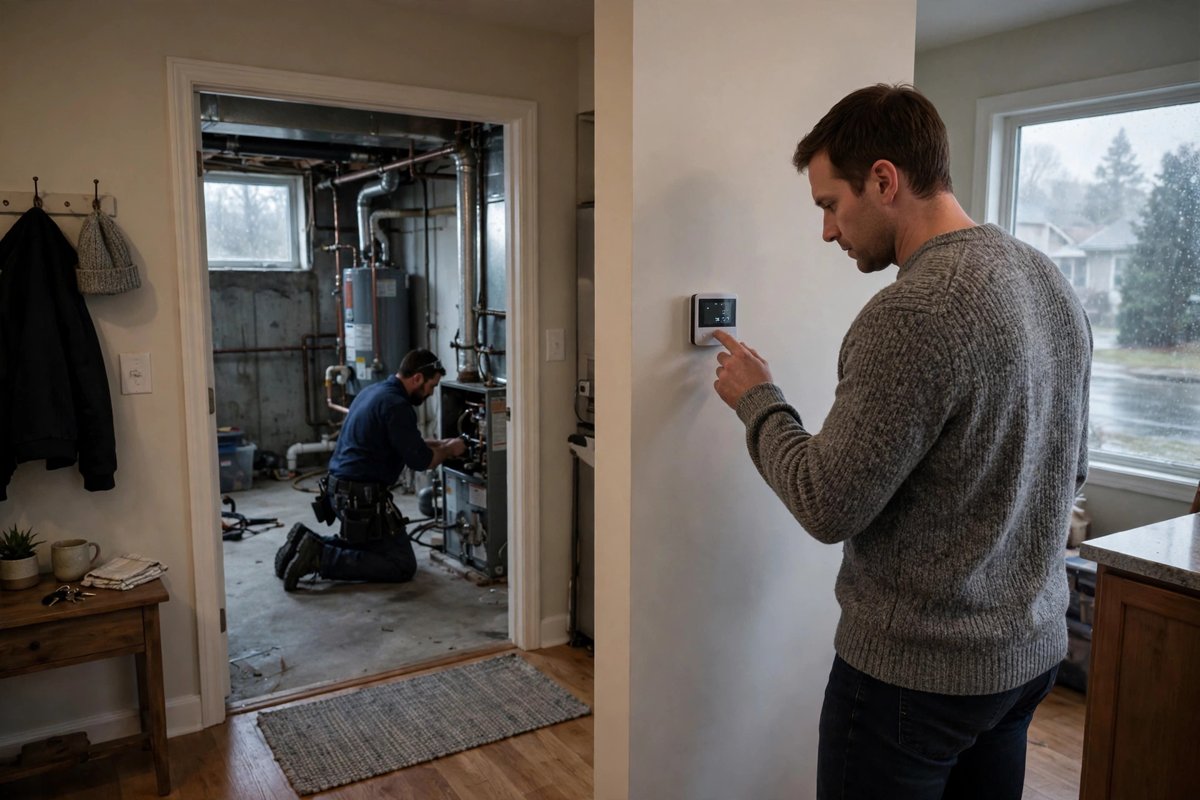
Confirm the thermostat is set to Heat, not Cool or Off, and set the temperature at least three degrees above the current room temperature so the call for heat is unmistakable. If the screen is blank or dim, replace the batteries — a dying battery can display a temperature while failing to send the heating signal. If you use a programmable schedule, temporarily hold a higher temperature to rule out a vacation or overnight setback program quietly overriding you.
2. The furnace power switch
Most furnaces have a wall switch that looks exactly like a light switch, usually near the unit or at the top of the basement stairs. It gets switched off by accident more often than almost any real part fails — during cleaning, by kids, or when someone reaches for a light in a dark mechanical room. Make sure it is on. Also confirm the blower door on the furnace is fully closed and latched; many units will not run at all with the door slightly ajar, because an open door trips a safety interlock.
3. The breaker — once, not repeatedly
Check your electrical panel for a tripped breaker labelled furnace, heating, or air handler. A tripped breaker often sits halfway between on and off. Reset it once by switching it fully off, then on. If heat returns and stays, you are done. If the breaker trips again, stop resetting it. A breaker that keeps tripping is reporting an electrical fault, and repeatedly forcing it can make the underlying problem worse. That is a job for a technician, not another reset.
4. The air filter
Pull the filter and hold it up to a light. If you cannot see light through it, airflow is restricted enough that the furnace may be overheating and shutting down on its high-limit safety — it runs briefly, blows warm air, then quits, over and over. That pattern overlaps with what we describe in our guide to furnace short cycling. Replace a clogged filter with the correct size, arrows pointing in the direction of airflow, and give the system fifteen minutes to try again. Never run the furnace without a filter while you wait for a replacement.
5. Vents, returns, and the outdoor unit for heat pumps
Walk the house and open any supply registers that were closed for summer, and move furniture, rugs, and storage bins off floor vents and away from the large return-air grilles — a starved return can mimic a dead furnace in the far rooms. If you heat with a heat pump rather than a furnace, step outside as well: clear leaves and debris from around the outdoor unit, and do not chip ice off it with a tool. A steaming, briefly noisy outdoor unit on a damp Port Coquitlam morning is usually just its normal defrost cycle, not a breakdown.
6. Listen, look, and note the error code
If the furnace tries but fails — clicking, humming, starting and stopping — do not keep cycling the thermostat. Instead, look through the small viewing window on the blower door for a flashing light pattern, and note the number of flashes or any code shown on a display. Write down what you hear, when the problem started, and whether it followed a power outage, a filter change, or a renovation. That short note genuinely speeds up diagnosis, and it can be the difference between one visit and two. For the wider safety picture in gas-heated homes, see our article on carbon monoxide safety.
Six checks done, still no heat? The problem is inside the cabinet.
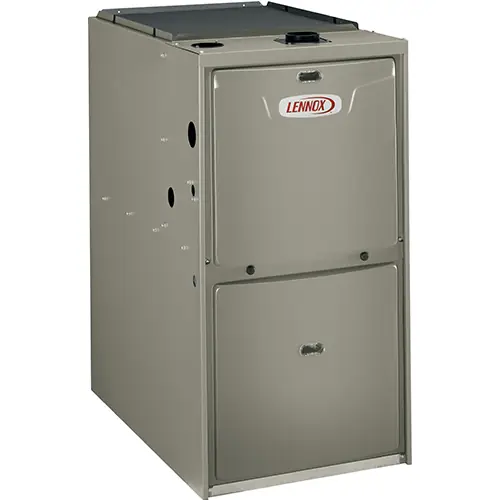
Ignition failures, flame sensors, gas valves, control boards, blower motors, and pressure switches all live behind panels that should stay closed to homeowners. If the checks above did not restore heat, further trial and error rarely helps and can mask the fault a technician needs to see. Call (604) 999-4441 and tell us what you found at each step — thermostat, switch, breaker, filter, vents, and any code — and we will take it from there. If the furnace turns out to be at the end of its life, our furnace replacement page explains how we price a swap with one upfront fixed quote, and our earlier guide to the signs a furnace needs replacement helps you judge repair versus replace before anyone arrives.
Keep the house — and the pipes — safe overnight.
Port Coquitlam rarely sees deep prairie cold, but a no-heat night in late October or January still deserves a little care. Keep interior doors open so any space heat you use circulates, use electric space heaters only on a level surface away from bedding and curtains and never unattended, and let a tap drip slightly if temperatures fall below freezing and your pipes run through an unheated crawl space or exterior wall. Never use an oven, stove, or outdoor barbecue to heat a home — that is a carbon monoxide risk, not a shortcut.
One no-heat call is a repair. A pattern of them is a planning conversation.
If this is the second or third breakdown in a couple of winters, ask us during the visit to assess the system honestly rather than simply fixing today's part. Sometimes the right answer is still a repair. Sometimes it is planning a replacement on your schedule instead of during the next cold snap — including a heat pump installation from $13,000 installed with financing from $100/month, where homeowners switching off fossil-fuel heat may qualify for up to $21,500 in combined BC rebates; we'll confirm your eligibility. Either way you get a free in-home assessment, a proper heat-load calculation, and upfront fixed pricing. Browse all our articles for more troubleshooting help, or contact Airmount Mechanical at 2175 Lawson Ave, West Vancouver — call (604) 999-4441 or email Info@airmountmechanical.com.
Common questions
What should I check first when my furnace is not working and there is no heat?
Start with safety: if you smell gas or a CO alarm sounds, leave and call for emergency help from outside. Otherwise check the thermostat first — Heat mode, setpoint at least three degrees above room temperature, and fresh batteries if the screen is dim. Then check the furnace power switch, the breaker, and the air filter, in that order.
Can a dirty filter really cause no heat?
Yes. A clogged filter restricts airflow so much that the furnace overheats and shuts down on its high-limit safety switch. The classic pattern is brief warm air, then the furnace quits, repeatedly. Replacing the filter with the correct size often restores normal heating — and running without a filter is never a safe substitute.
Is it safe to reset a tripped furnace breaker?
Resetting it once is a reasonable homeowner check: switch it fully off, then on. If it trips again, stop. A breaker that repeatedly trips is signalling an electrical fault, and forcing it can worsen the problem. Leave repeated trips to a technician.
When should I stop troubleshooting and call a technician?
Stop if you smell gas, a carbon monoxide alarm sounds, you see smoke, a breaker keeps tripping, or the furnace makes repeated failed start attempts with an error code flashing. Ignition parts, gas valves, control boards, and blower motors are inside the cabinet and are not homeowner repairs.
What information helps a technician fix a no-heat problem faster?
Note which of the six checks you tried and what happened, any error code or flashing-light pattern on the furnace display, the sounds it makes when it tries to start, when the problem began, and whether it followed a power outage or filter change. That note can be the difference between one visit and two.
Should I repair my furnace or replace it after a no-heat breakdown?
A single breakdown on a younger, otherwise reliable furnace usually points to repair. Repeated breakdowns across recent winters, rising fuel bills with falling comfort, or hard-to-source parts point toward planning a replacement. During a free in-home assessment we will tell you honestly which side of that line your furnace sits on, with one upfront fixed price either way.
Get an exact price for your home.
Call (604) 999-4441 or book a free in-home assessment. We'll measure, calculate your heat load, and quote one fixed price — no guesswork.
Or email us at Info@airmountmechanical.com
Related reading
Furnace replacement
One upfront fixed price, a proper heat-load calculation, and single-day installs on straightforward swaps by our own crew.
Furnace replacement in West Vancouver →Furnace short cycling
Why a furnace that starts and stops every few minutes is overheating, starved of air, or getting bad signals.
Furnace short cycling causes in Surrey →All articles
Heating, cooling, and hot water advice for Lower Mainland homeowners.
The Airmount blog →