
Why Your Heat Pump Is Freezing Up (Coquitlam Guide)
You spot ice on your heat pump's outdoor unit on a cold Coquitlam morning — but is it the normal frost the machine handles on its own, or the start of a failure that will leave you cold by February? Here's how to tell the difference, what causes real freeze-ups, and the three safe checks to run before you call anyone.
Free in-home assessment · Upfront pricing · Rebate paperwork handled
Published 2026-10-02 · Airmount Mechanical
Some frost is fine. A wall of ice is not.
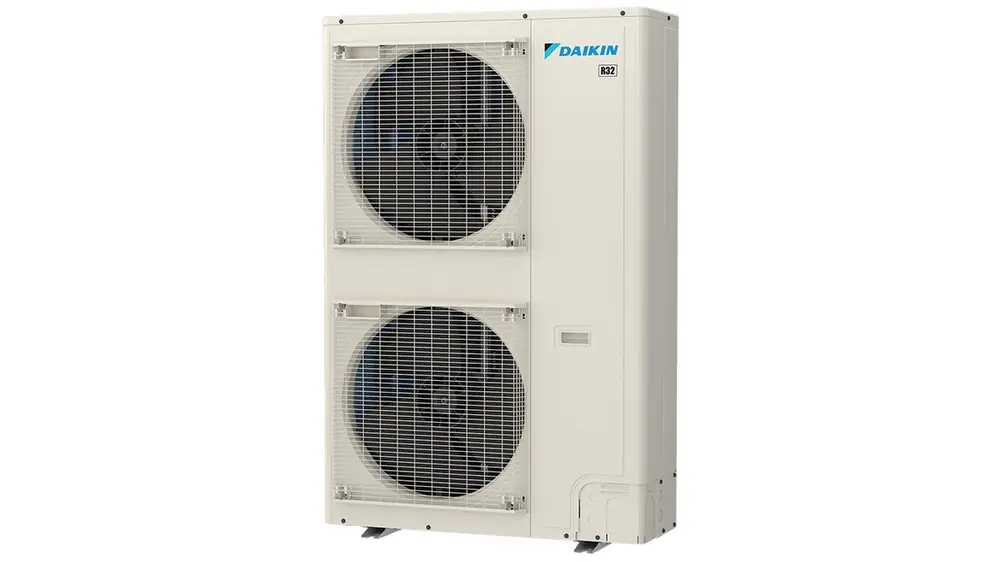
If you glance at your outdoor heat pump on a cold morning and see a thin dusting of frost on the coil, that's the machine working exactly as designed. The outdoor coil runs colder than the surrounding air — it has to, in order to pull heat out of it — and in damp air, moisture condenses on the coil and freezes into a light frost. Your heat pump knows this will happen and runs periodic defrost cycles to melt it off. The frost builds, the cycle melts it, and life goes on. What should worry you is the other version: thick, solid ice encasing the coil, frozen over the fan, or a block of it that never melts no matter how long the unit runs. That's not winter — that's a malfunction, and it starves the system of heat until something gets fixed.
Your heat pump's self-cleaning trick.
Every modern heat pump has a defrost cycle that kicks in automatically, usually every 30 to 90 minutes during cold, damp weather. For a few minutes, the unit briefly reverses itself — running in cooling mode so hot refrigerant melts the frost off the outdoor coil — then switches back to heating. You'll notice it happen: the outdoor fan may stop, you might hear a whoosh or see steam rising off the unit, and warm air from your vents may briefly cool. A normal cycle lasts about 5 to 15 minutes and ends on its own. The key test is simple: if the ice melts and the unit goes back to heating, the defrost system is doing its job. If heavy ice never melts — or the unit spends most of its time defrosting and barely heats the house — the defrost system itself is the prime suspect.
Why the defrost cycle can't keep up.
When ice wins the race against defrosting, one of these is usually behind it.
A failed defrost control or sensor. The defrost cycle is triggered by a control board and a temperature sensor on the outdoor coil. If the board fails to start the cycle, or the sensor reads wrong, frost just keeps accumulating. This is the single most common cause of a heat pump freezing solid.
Low refrigerant. A slow leak drops the refrigerant charge until the coil runs even colder than designed — so cold it frosts up faster than the defrost cycle can melt. If your unit iced up and your heating bills jumped at the same time, low refrigerant belongs at the top of the suspect list. This needs a technician: refrigerant isn't topped up like washer fluid; the leak has to be found and fixed first.
Blocked airflow. Wet fall leaves, pine needles, snow drifted against the unit, or a fence and shrubs grown tight around it all choke the airflow the outdoor coil needs. Ice forms faster on a coil that can't breathe. Keep at least two feet of clearance on all sides and never let snow pile against the cabinet.
A dead outdoor fan or stuck reversing valve. If the fan stops, the coil chills into an ice block fast. If the reversing valve can't switch into defrost mode, frost never melts at all. Both mean a repair call.
Three safe checks before you call anyone.
Clear the area. Shut the unit off, then rake back leaves, mulch, and snow so the coil breathes. Hose the cabinet (not the fan motor) to rinse off packed grime on a day above freezing — never chip ice off the coil with a tool; the fins and refrigerant tubing damage easily.
Watch one full cycle. Turn the unit back on and watch for 60–90 minutes. Normal frost should melt off in a defrost cycle of under 15 minutes. If thick ice remains after that, the defrost system isn't engaging.
Check the basics inside. A badly clogged indoor filter reduces airflow and can contribute to freeze-ups on the indoor coil in summer (and efficiency problems year-round). Swap it if it's grey and matted. And confirm the thermostat is set to heat, not accidentally left on emergency heat — running on backup heat strips for weeks is the fastest way to a shocking BC Hydro bill.
Why Coquitlam homes see this more than most.
Coquitlam's geography makes heat pump icing a livelier question than it is down on the flats. Westwood Plateau and Burke Mountain sit hundreds of metres above the valley floor, and on clear winter nights they run several degrees colder than the neighbourhoods below — cold enough that a unit sized for typical Lower Mainland winter runs harder and defrosts more often. Maillardville and older pockets of the city have mature tree cover, so outdoor units there sit in shade and drowned in October leaves — a perfect recipe for choked airflow just as heating season starts. And Coquitlam gets its rain horizontally: wind-driven rain and wet, heavy snow plaster onto coils and cabinets in a way the drier interior of the valley doesn't see. If your unit is on the shady north side of a hillside lot, it may genuinely ice up while the same model down in New West runs clean. Placement and a diligent fall clearing make a bigger difference here than in most cities.
Don't run an iced-up heat pump for weeks.
Ice is an insulator: a coil wrapped in it can't absorb heat, so the system runs longer and longer to deliver less and less warmth — and the compressor strains against the restriction. Running an encased unit for weeks risks real damage to the compressor, the most expensive part in the system. Call a technician if ice never clears after a defrost cycle, if the unit defrosts constantly without heating properly, if the fan isn't running, or if this is the second or third freeze-up in one season. A proper diagnosis — defrost board and sensor testing, refrigerant charge check with a leak search, and a full coil cleaning — restores the unit in a single visit in most cases. And if your system is 15-plus years old and freeze-ups are becoming a winter tradition, it's worth pricing a modern heat pump installation against another year of repair bills: new units defrost smarter, run on up to $21,500 in combined BC rebates (we'll confirm your eligibility), and our own crew installs them in a single day. Our winter guide explains how heat pumps handle a Lower Mainland winter for the bigger picture.
Common questions
Is it normal for a heat pump to have ice on it in winter?
A thin layer of frost on the outdoor coil is completely normal — the coil runs colder than the air around it, so moisture freezes on it, and the heat pump's defrost cycle melts it off automatically every 30 to 90 minutes. Thick, solid ice that never melts, ice covering the fan, or an encased unit is not normal and signals a malfunction.
How long should a heat pump defrost cycle last?
Typically 5 to 15 minutes. You'll hear the outdoor fan stop, possibly hear a whoosh, and may see steam rising off the unit — then it resumes heating on its own. If it defrosts for much longer, defrosts constantly without clearing the ice, or never seems to start, the defrost control board or sensor likely needs repair.
My heat pump is completely encased in ice. What should I do?
Turn the unit off and clear snow and debris away from the cabinet, then let the ice melt naturally — never chip at it with tools, which easily damages the coil fins and refrigerant tubing. Once melted, restart and watch one full cycle. If ice builds back up fast, call a technician: the cause is usually a failed defrost control, low refrigerant, or a dead outdoor fan.
Can low refrigerant cause a heat pump to freeze up?
Yes. A slow refrigerant leak makes the outdoor coil run colder than designed, so frost forms faster than the defrost cycle can melt it. If icing came with a sudden jump in heating bills, low refrigerant is a prime suspect. A technician must find and repair the leak before recharging — refrigerant is never just topped up.
Should I cover my heat pump in winter to stop it freezing?
No. Covering the outdoor unit traps moisture, blocks the airflow the coil needs, and can make icing worse — covers also interfere with defrosting. The unit is built for weather. What helps is keeping two feet of clearance on all sides and clearing snow, leaves, and debris away from it all season.
Why does my heat pump blow cold air during the defrost cycle?
The defrost cycle briefly runs the unit in cooling mode to send hot refrigerant to the outdoor coil and melt frost — so the indoor air feels cooler for a few minutes. This is normal and lasts only 5 to 15 minutes. If the cold air lasts much longer, or the house gets cold every time it defrosts, the system needs a check-up.
Get an exact price for your home.
Call (604) 999-4441 or book a free in-home assessment. We'll measure, calculate your heat load, and quote one fixed price — no guesswork.
Or email us at Info@airmountmechanical.com
Related reading
Heat pump installation
Single-day installs by our own crew, up to $21,500 in BC rebates, from $13,000 installed.
Heat pump installation in West Vancouver →Winter performance
What to expect when temperatures drop across the region — and the limits.
How heat pumps handle a Lower Mainland winter →Rebate guide
How to get up to $21,500 back on a heat pump switch — tiers and eligibility.
BC heat pump rebates explained →All articles
Heating, cooling, and hot water advice for Lower Mainland homeowners.
The Airmount blog →