
Ductless Mini-Split Cost in Richmond: 2026 Guide
Pricing a ductless mini-split in Richmond? Here's what actually sets the number — from single-zone systems for laneway homes to whole-house multi-zone setups for ranchers — and how rebates and financing bring your out-of-pocket cost down.
Free in-home assessment · Upfront pricing · Rebate paperwork handled
Published 2026-09-29 · Airmount Mechanical
It depends on how many rooms you're heating.
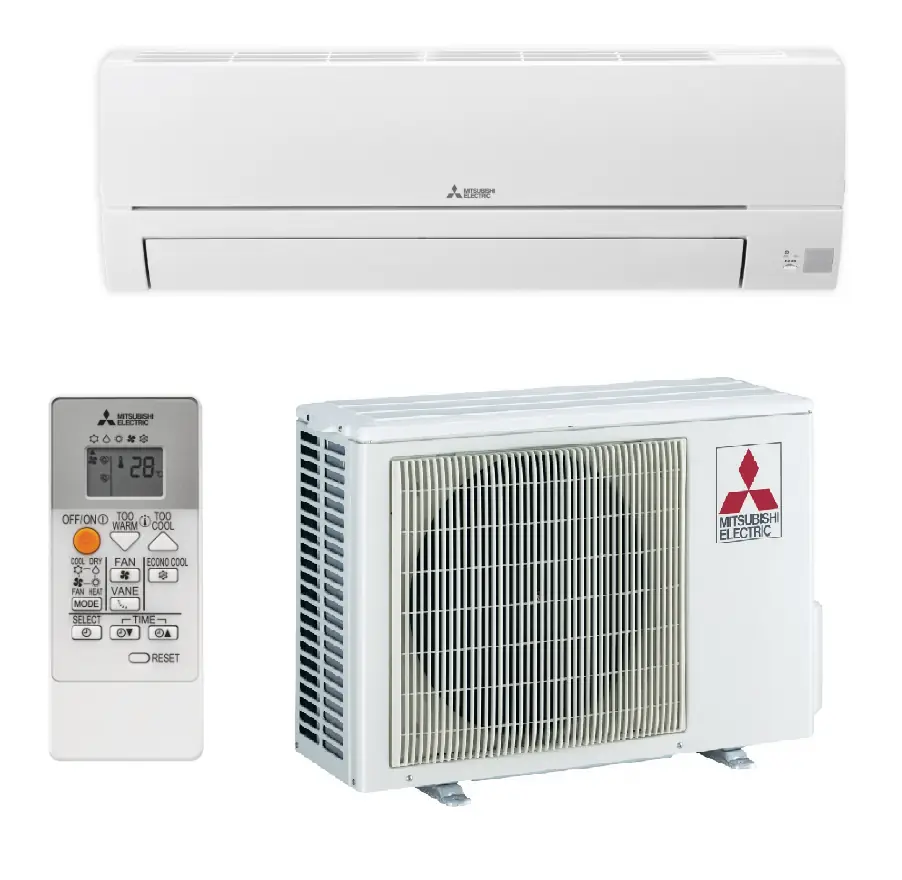
A ductless mini-split is priced by zone: one outdoor unit paired with one or more slim indoor heads. A single-zone system for a laneway home or a cold back bedroom costs far less than a five-zone system covering an entire Richmond rancher — so any honest answer starts with your layout, not a price list. That's why we quote fixed, written prices after a free in-home assessment instead of publishing one-size-fits-all numbers. Anyone who gives you a firm figure without seeing your home is guessing, and guesses get expensive.
What we can tell you up front: our whole-home heat pump installations start from $13,000 installed, smaller mini-split projects typically land below that when fewer zones are needed, and financing starts from $100 per month. And before you do the mental math — with up to $21,500 in combined BC rebates available for qualifying households switching off fossil-fuel heat, the out-of-pocket cost is often dramatically lower than the quote.
Five factors that set your mini-split quote.
Two Richmond homes can get very different quotes for good reasons. Here's what actually moves the number.
1. Number of indoor heads
Each indoor head is its own piece of equipment with its own installation labour. A single-zone system — perfect for a laneway home, a garden suite, or that one freezing bedroom over the garage — is the simplest and most affordable path. A multi-zone system with four or five heads covers a whole rancher, costs more, but replaces several baseboard circuits at once and gives every zone its own thermostat.
2. Outdoor unit capacity and tier
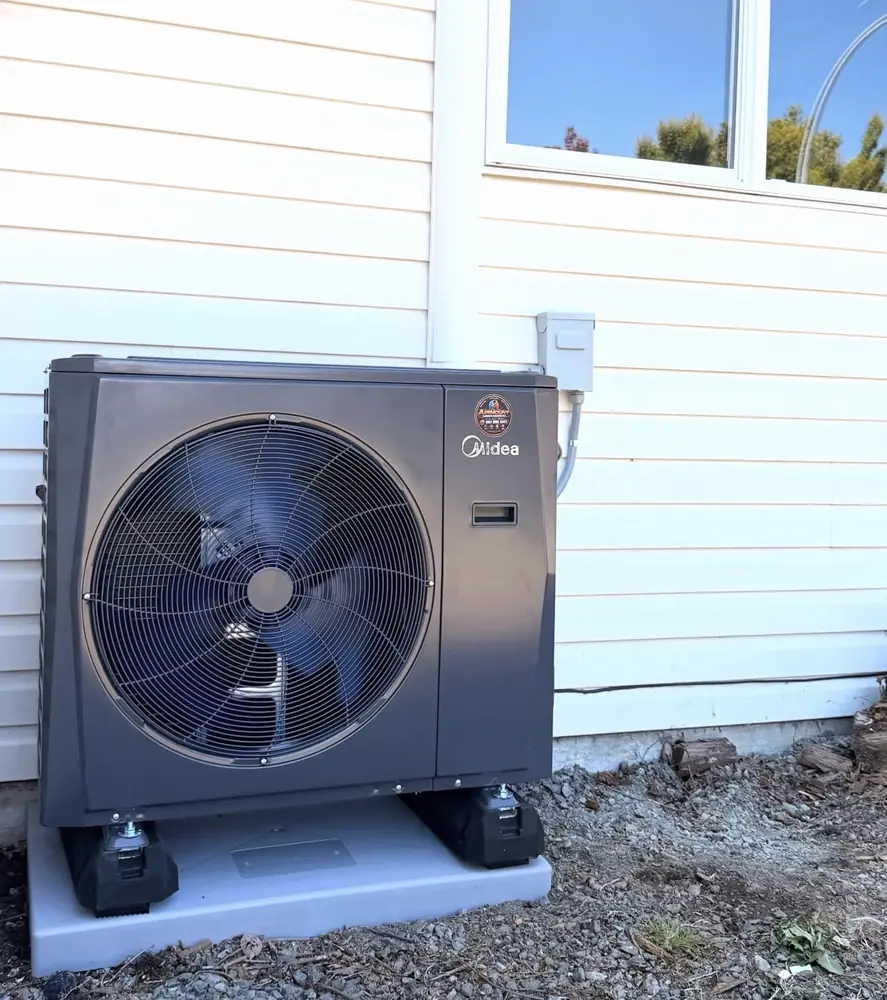
Multi-zone systems need a larger outdoor compressor, and cold-climate models rated to keep heating well below freezing cost more than basic units. Richmond winters are mild — mini-splits live in their efficiency sweet spot here — but we still recommend equipment rated well below freezing so you have real margin on the coldest nights of the year, not just the average ones.
3. Line-set runs and placement
The copper refrigerant lines connecting indoor and outdoor units usually run along the outside of the house. Short, clean runs are cheaper; wrapping a whole perimeter or crossing a slab adds labour and materials. Here's a genuine local advantage: Richmond's flat lots and slab-on-grade ranchers usually make for straightforward, short routing — simpler than hillside installs in other parts of the Lower Mainland.
4. Your electrical panel
Every mini-split needs a dedicated circuit, and older 100-amp panels in mid-century Richmond ranchers sometimes need an upgrade to 200 amps to carry the new load. We check your panel during the free assessment and include any electrical work in the fixed quote — no surprise add-ons on install day.
5. Installation complexity
Condos and townhomes along the No. 3 Road corridor need strata approval, plus careful siting of the outdoor unit — noise ratings, placement plans, refrigerant line routing. We prepare the documentation stratas ask for. Heritage homes in Steveston, raised ranchers, and homes with limited exterior wall space all take extra planning. None of it is a problem — it's just part of an honest quote.
Why mini-splits fit Richmond homes so well.
Richmond is practically built for ductless. Thousands of post-war ranchers heat with electric baseboards — the most expensive way to heat a home in BC — and have no ductwork at all, which makes a mini-split the natural upgrade: no tearing open walls, no bulky ducts, just slim heads in the rooms that need them. Laneway homes and garden suites, which Richmond has in abundance, are ideal single-zone candidates.
And the climate cooperates. Richmond's mild winters mean a heat pump spends most of the heating season operating at high efficiency — see how heat pumps handle a Lower Mainland winter — while summers keep getting warmer, so the air conditioning you get included is no longer a luxury. Homes near the river and ocean in Steveston should get corrosion-resistant outdoor placement for the salt air, which we spec as standard there.
Which layout is right for you?
Single-zone: one outdoor unit, one indoor head. Best for laneway homes, additions, converted garages, or fixing one problem room. Fastest install — often done in a day — and the lowest entry cost.
Multi-zone: one larger outdoor unit driving two to five indoor heads. Best for whole ranchers and two-storey homes where you want every major room on its own thermostat. Higher upfront cost, but it replaces a whole house full of baseboards in one project and typically delivers the biggest monthly savings. If your home already has good ductwork, a ducted whole-home heat pump may be the more economical path — we'll tell you honestly which one fits during the assessment.
Up to $21,500 back.
Homeowners switching from fossil-fuel heating to an electric heat pump — mini-splits included — can currently access up to $21,500 in combined BC rebates, depending on the program and your eligibility, including income-tested streams that cover a large share of the cost for qualifying households. Programs and amounts change, so we confirm exactly what you qualify for before you commit, and we handle every form. Try our instant rebate estimate to see which tier your household falls into. And if you'd rather not pay upfront, financing starts from $100 per month — often less than the baseboard bills you're replacing.
Watch out for per-head teaser prices.
Some ads quote an eye-catching price per indoor head that quietly excludes the outdoor unit, the electrical work, the line sets, and the commissioning — then the final invoice tells a different story. A real quote lists everything: equipment, all heads, refrigerant lines, electrical, mounting, commissioning, and cleanup, as one fixed number agreed before work starts. Ours does, and the assessment that produces it is free.
Common questions
Can a mini-split heat a Richmond home through winter?
Yes. Richmond has some of the mildest winters in Canada, which is exactly where heat pumps operate most efficiently. We install cold-climate models rated well below freezing, so even on the coldest nights of the year the system holds temperature without struggling. You also get air conditioning for summer included.
How many indoor heads does my home need?
It depends on your layout. Open-concept spaces can often be served by one well-placed head, while closed-off bedrooms each need their own for real comfort. A typical Richmond rancher ends up with three to five heads for whole-home coverage; a laneway home usually needs just one. We map this out room by room during the free assessment.
Can I install a mini-split in a Richmond condo or townhouse?
Usually yes, with strata approval for the outdoor unit. Most strata councils approve these installations — especially as more units in the building get them. We prepare the documentation stratas ask for: noise ratings, placement plans, and refrigerant line routing, so the approval process goes smoothly.
Are there rebates for ductless mini-splits in BC?
Yes. Mini-splits qualify under the same heat pump rebate programs as ducted systems. Homeowners switching from fossil-fuel heating can currently access up to $21,500 in combined BC rebates, including income-tested streams. We confirm your exact eligibility before you commit and handle all the paperwork.
Is a mini-split cheaper to run than baseboard heaters?
Dramatically. A mini-split moves heat instead of creating it, delivering several units of heat for every unit of electricity it uses — typically cutting heating electricity use by half or more compared to baseboards. For a Richmond rancher heated entirely by baseboards, the monthly savings are often the largest of any upgrade you can make.
How long does mini-split installation take?
A single-zone system is usually completed in one day. Multi-zone systems with three to five heads typically take one to two days, installed by our own crew. We handle equipment, line sets, electrical, and commissioning, then walk you through the system before we leave.
Get an exact price for your home.
Call (604) 999-4441 or book a free in-home assessment. We'll measure, calculate your heat load, and quote one fixed price — no guesswork.
Or email us at Info@airmountmechanical.com
Related reading
Heat pump installation
Cold-climate heat pumps installed in a day — from $13,000, with up to $21,500 in BC rebates.
Heat pump installation in West Vancouver →Lower Mainland winters
How modern heat pumps perform through a real BC winter — efficiency, defrost cycles, and backup heat.
Heat pumps in a Lower Mainland winter →All articles
Heating, cooling, and hot water advice for Lower Mainland homeowners.
The Airmount blog →