
Hydronic Heating Explained for North Vancouver Homes
Boiler, pump, pipes, and warm floors or radiators — how hydronic heating actually works, why so many North Vancouver homes were built around it, and when to modernise it instead of replacing it.
Free in-home assessment · Upfront pricing · Rebate paperwork handled
Published 2026-10-18 · Airmount Mechanical
Hot water does the heating — no hot air involved.
Hydronic heating means heating water in one central place, then quietly circulating it through pipes to where you live. The warmth arrives through radiators, baseboard convectors, or tubing hidden under the floor. There is no blower, no ductwork, and no rush of dusty air when the system starts. This guide explains how the pieces fit together, why so many local homes were built around it, and what to consider if yours needs care.
Older homes, hillside lots, and long wet winters.
North Vancouver housing is a natural fit for water-based heat. Upper Lonsdale and Capilano have many post-war homes built with radiators or baseboards and no ducts at all. Edgemont Village adds split-levels where adding ductwork would mean tearing open finished ceilings. Newer infill houses often choose in-floor heat because it feels calm and even on rainy mornings. When a home was designed around pipes instead of ducts, keeping and modernising that system is usually smarter — and far less disruptive — than forcing in a different kind of heating.
1. The boiler: the heart of the system
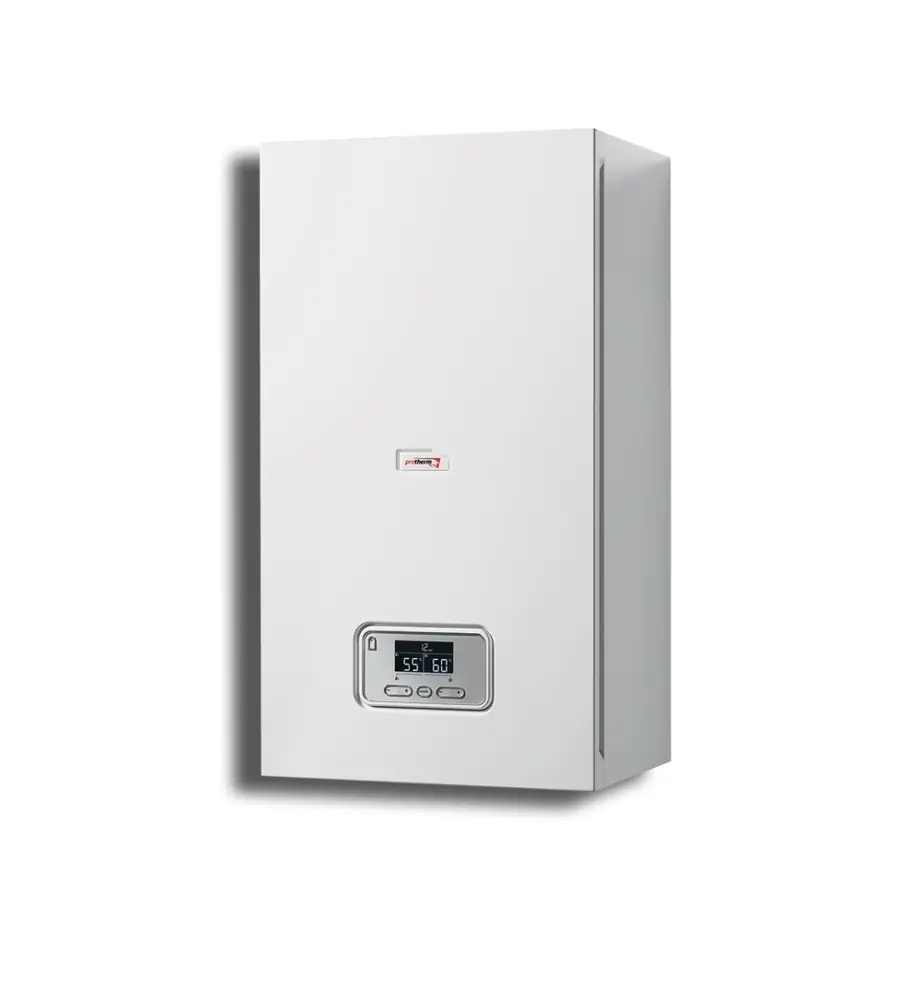
Everything starts at the boiler, which heats water to a controlled temperature and sends it out into the home. Older boilers are often large and thirsty; a modern condensing boiler extracts more heat from the same fuel and modulates its output instead of firing at full blast for every call for heat. A combi boiler also makes domestic hot water on demand, so one compact unit handles heating and showers. Choosing between them depends on your heating load, hot water use, and venting — which is why a proper heat-load calculation matters before anyone quotes equipment.
2. The pump, piping, and manifold
A circulator pump moves heated water through a loop of piping. In a zoned system — common in larger North Vancouver homes — a manifold splits that loop into separate circuits for different floors or wings, each with its own control. Valves balance the flow so a distant bedroom does not starve while the room beside the boiler overheats. When a hydronic home heats unevenly, the cause is often air in a loop, a tired pump, or a zone valve that no longer opens fully — diagnosable, fixable problems, not a failed boiler.
3. Radiators and baseboard convectors
The most familiar emitters are radiators and baseboard convectors. Warm water passes through them and that warmth rises gently through the room. Because there is no fan, the temperature holds steady instead of swinging between blasts. Bleeding a radiator that gurgles or stays cold at the top, and keeping baseboards clear of dust and furniture, are small habits that make a real difference.
4. In-floor radiant tubing
In-floor systems run warm water through tubing beneath tile, engineered wood, or concrete, turning the whole floor into a low, even heat source: warm feet, no cold corners, and no furniture placement dictated by vents. In-floor heat also works at lower water temperatures than older radiators, which pairs well with condensing boilers and hydronic heat pumps. It is easiest to add during a renovation or new build, when the floor is already open.
5. Zones and controls
Zoning is where hydronic heating quietly saves money. A family wing, a guest level, and a home office rarely need the same temperature at the same hour. Separate thermostats let you heat the rooms you are using and ease back the rest, instead of conditioning the whole house to satisfy one hallway control. Outdoor reset controls adjust the water temperature to the weather outside — hotter water on a frosty morning above the Upper Levels, gentler water on a mild October afternoon.
6. What hydronic heat does not do
Being clear about the limits helps you plan. A hydronic system heats; it does not cool, and it does not filter air. Homes that want summer cooling usually add ductless mini-splits in key rooms, which sit comfortably alongside radiators or in-floor loops. If cooling is on your list, think about both systems together rather than as separate surprises a year apart. Our comparison of boiler vs. furnace for older homes walks through that trade-off in more detail.
Where the savings actually come from.
Hydronic systems save energy in unglamorous ways. Water carries heat efficiently, zoning avoids heating empty rooms, and modern controls stop the boiler producing hotter water than the day requires. Lower return-water temperatures also let a condensing boiler do the efficient work it was designed for. That requires correct sizing, balanced flow, and controls set up for your house, not factory defaults. During a free in-home assessment we look at the whole loop, not just the boiler badge, and quote any work as one upfront fixed price.
Hydronic heat pumps, and pairing with a heat pump.
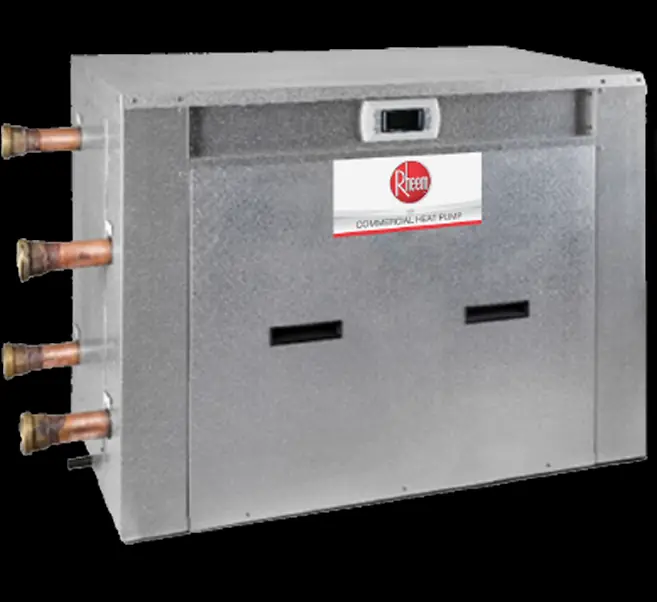
Hydronic heat pumps are now part of the conversation for North Vancouver homes that want to move away from fossil-fuel heat without giving up radiators or in-floor warmth. Instead of burning fuel, they heat water electrically and feed it into your existing distribution. Suitability depends on the water temperature your emitters need, your electrical service, and a heat-load calculation — in-floor systems are often the easiest match. For other homes, a ducted or ductless heat pump can carry most of the load while the boiler stays as backup. If you are pricing a switch, start with our heat pump installation page: installations start from $13,000 installed, financing is available from $100 per month, and switching off fossil-fuel heat can unlock up to $21,500 in combined BC rebates — we will confirm your eligibility before you commit.
Small symptoms worth acting on early.
Book a service visit if one zone goes cold, radiators need bleeding again and again, you hear kettling or banging, the pressure keeps dropping, or a damp patch appears near piping. Annual service keeps a boiler burning cleanly and safely, checks expansion and pressure, and catches a weakening pump before a cold snap does. A boiler also belongs in your carbon monoxide routine: working detectors on every level, and never ignoring a sooty smell or pilot problem. Most like-for-like boiler work is completed in a single day by our own crew, with the scope agreed in advance.
Quiet, even heat — if the system is looked after.
For many North Vancouver homes, hydronic heating is not an old system waiting to be ripped out; it is good infrastructure waiting to be modernised. Keep the pipes, radiators, or in-floor loops that suit your house, bring the boiler and controls up to date, and add cooling separately only if you want it. If you are weighing a boiler replacement against a change of direction, our furnace replacement page and our guide to heat pump sizing in North Vancouver will help you compare. Or talk it through with us at (604) 999-4441 or Info@airmountmechanical.com — based at 2175 Lawson Ave, West Vancouver, BC, serving North Vancouver and the whole Lower Mainland, with a free in-home assessment. Browse all our articles for more local heating guides.
Common questions
What is hydronic heating, in simple terms?
Hydronic heating heats water in a boiler, then circulates that water through pipes to radiators, baseboard convectors, or tubing under the floor. The warm surfaces heat the room gently and evenly, with no blower and no ductwork. It is common in North Vancouver homes that were built without ducts, and in newer homes that choose in-floor radiant heat for comfort.
Is hydronic heating more efficient than a furnace?
It can be, especially in a well-zoned home with modern controls. Water carries heat efficiently, zoning avoids heating empty rooms, and a condensing boiler paired with the right water temperatures uses less fuel than an older boiler running at full output. The honest answer depends on your boiler, your emitters, and how the controls are set up, which is why we assess the whole system rather than quoting from the boiler badge alone.
Can I keep my radiators or in-floor heating and change only the boiler?
In most cases, yes — and it is usually the least disruptive path. The piping and emitters in your walls and floors are the valuable infrastructure. Replacing an aging boiler with a modern condensing or combi boiler, then balancing the zones and updating controls, modernises the system without a renovation. We confirm the condition of the existing loop during a free in-home assessment before recommending anything.
Does hydronic heating provide air conditioning or hot water?
Hydronic heating on its own does not cool — cooling is usually added separately with ductless mini-splits in the rooms that need it. For hot water, a combi boiler can produce domestic hot water on demand from the same unit that heats your home, while other setups keep a separate tank or a tankless water heater. We install and service boilers, combi boilers, and tankless water heaters, so both can be planned together.
Can a heat pump work with a hydronic system?
Sometimes. Hydronic heat pumps heat water electrically and feed it into radiators or in-floor loops, and in-floor systems that run at lower water temperatures are often the easiest match. Other homes pair a ducted or ductless heat pump with the boiler as backup. Suitability depends on your heat load and electrical service. Heat pump installations start from $13,000 installed, with financing from $100 per month and up to $21,500 in combined BC rebates when switching off fossil-fuel heat — we will confirm your eligibility.
How often does a hydronic system need service, and what are the warning signs?
Plan on annual boiler service to keep it burning cleanly and safely and to check pressure, expansion, and the circulator pump. Call sooner if one zone goes cold, radiators need repeated bleeding, the pressure keeps dropping, you hear kettling or banging, or you spot damp near piping. Most like-for-like work is completed in a single day by our own crew at one upfront fixed price — call (604) 999-4441 to book.
Get an exact price for your home.
Call (604) 999-4441 or book a free in-home assessment. We'll measure, calculate your heat load, and quote one fixed price — no guesswork.
Or email us at Info@airmountmechanical.com
Related reading
Boiler vs. furnace
Which is right for an older home? Comfort, lifespan, and conversion cost compared honestly.
Read the boiler vs. furnace guide →Heat pump installation
Cold-climate heat pumps installed in a day — from $13,000, with up to $21,500 in BC rebates.
Heat pump installation in West Vancouver →All articles
Heating, cooling, and hot water advice for North Vancouver and Lower Mainland homeowners.
The Airmount blog →