
Home Energy Upgrades That Actually Pay Back in the Lower Mainland (2026)
Not every energy upgrade pays for itself. Some cut bills from the first month, some take a decade, and some never do on savings alone. Here is an honest ranking for Lower Mainland homes — what pays back, what pays back slowly, and where to start.
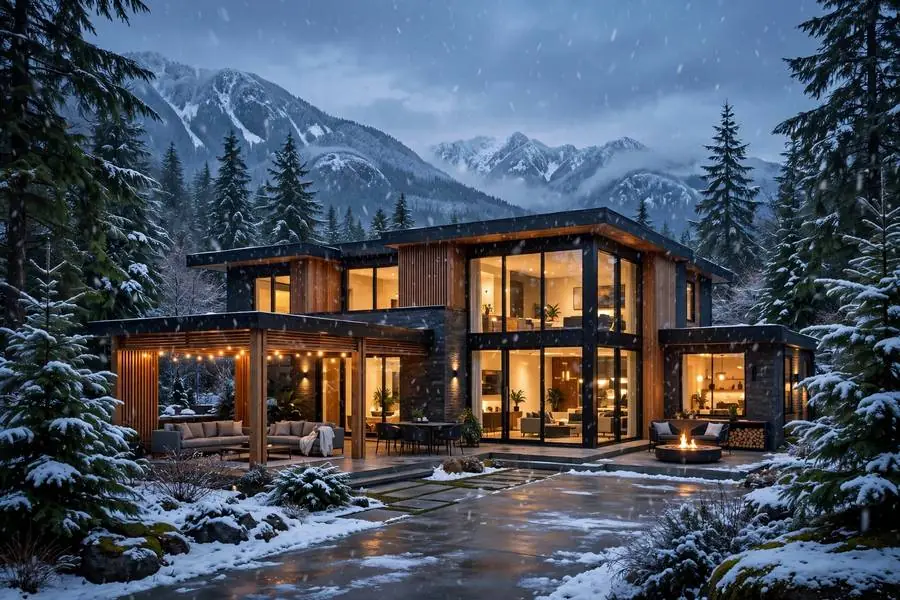
Free in-home assessment · Upfront pricing · Rebate paperwork handled
Published 2026-10-27 · Airmount Mechanical
Start with heating. That is where Lower Mainland homes spend the money.
In most Lower Mainland homes, space heating and hot water account for the large majority of the energy bill — far more than lights, appliances, or electronics. That simple fact decides which upgrades pay back. An upgrade that cuts heating cost in a damp West Vancouver hillside house, a Richmond rancher, or a Surrey two-storey will almost always return more, and return it faster, than a cosmetic efficiency project that barely touches the heating load. Payback also depends on what you heat with now: homes on electric baseboards, oil, or propane usually see the fastest returns, while homes on natural gas see smaller monthly savings but can still win once rebates and equipment age are counted.
Six upgrades, ranked by how reliably they pay back here.
This is the order we walk through at a free in-home assessment — biggest and most reliable return first, with honest notes on where the payback slows down.
1. Switching fossil-fuel or baseboard heat to a cold-climate heat pump
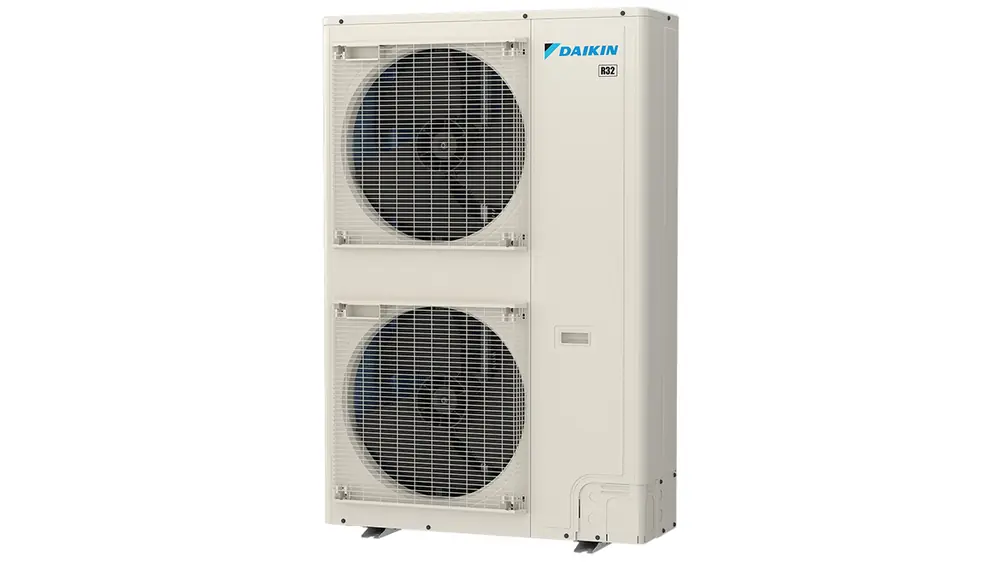
This is the strongest payback case in the Lower Mainland, and it is not close. A heat pump moves heat instead of making it, so it delivers several units of heat for each unit of electricity it uses, and it replaces your air conditioner in summer as well. Our installations start from $13,000 installed, with financing from $100 per month, and homeowners switching off fossil-fuel heat can access up to $21,500 in combined BC rebates, depending on income-tested eligibility — we will confirm your eligibility before you commit. Homes leaving baseboards in Coquitlam or an aging furnace in Burnaby often see the monthly saving cover a large share of the financing payment. See how the equipment handles cold snaps in our guide to cold-climate heat pumps in BC.
2. Replacing a failing furnace at the right time, not early
A new high-efficiency furnace on its own rarely pays back if your current furnace is mid-life and running well — the gas saving alone is too small. The math flips when the old furnace is near the end of its life, needs a major repair, or is oversized and short cycling. Then the comparison is not new furnace versus free heat; it is new furnace versus another repair bill on a dying system. Planned replacement also lets you compare a furnace with a heat pump on the same visit, with one fixed upfront price for each. Our furnace replacement page explains what a proper install includes.
3. A properly sized system and a real heat-load calculation
Sizing itself costs nothing extra when it is done properly, and it protects every other upgrade on this list. An oversized heat pump or furnace runs in short bursts, wastes energy, and wears out sooner; an undersized one runs constantly and still leaves rooms cold. That is why we do a proper heat-load calculation at the free assessment instead of copying the size of the old equipment. In older Ambleside and Dundarave homes and in larger British Properties houses, the right size is often different from what was installed decades ago, especially after windows or insulation have changed.
4. Thermostat settings and controls you actually use
This is the cheapest payback on the list because it is mostly behaviour and setup, not equipment. A steady, sensible schedule, a smaller setback overnight instead of a deep one for heat pumps, and zoning or individual room control on a ductless system can trim waste without any comfort trade-off. It will not transform a bill on its own, but it makes every other upgrade perform closer to its rating. Our guide to thermostat settings that lower heating bills walks through the settings we recommend for Lower Mainland homes.
5. Efficient hot water: tankless and heat pump water heaters
Hot water is the second-largest energy use in many homes, especially larger households in Surrey, Delta, and Langley with teenagers, laundry, and guests all drawing on the same tank. A tankless water heater stops paying to keep a full tank hot all day, and a heat pump water heater uses the same moving-heat principle as a heat pump for space heating. Payback depends heavily on household size and whether the existing tank is due for replacement anyway — for a small household with a healthy tank, waiting is often the honest advice; for a large household with a failing tank, upgrading at replacement time is usually money well spent.
6. Maintenance that keeps the rated efficiency real
A neglected heat pump or furnace does not deliver the efficiency on its label. Dirty coils, clogged filters, and a low refrigerant charge force longer run times for the same comfort, quietly erasing the payback you were promised. Regular service is not an upgrade, exactly, but it is what protects the return on the biggest upgrade you will make. Our breakdown of a heat pump maintenance plan for Richmond homes shows what a proper visit should cover, and the same schedule applies across the region.
Comfort upgrades are fine — just do not buy them as savings.
Some popular projects improve comfort, noise, or air quality far more than they cut bills. Replacing windows only for energy savings, for example, usually has a very long payback in our mild coastal climate, even though new windows can be worthwhile for drafts, condensation, and street noise. The same caution applies to replacing working equipment early just to chase a higher efficiency rating. If an upgrade is really a comfort purchase, buy it for comfort with open eyes — do not let anyone sell it to you on a two-year payback that depends on best-case math.
A rebate does not make a bad upgrade good. It makes a good one faster.
Rebates shorten payback most where the upgrade already makes sense. For a heat pump switch off fossil-fuel heat, up to $21,500 in combined BC rebates can cut the out-of-pocket cost dramatically for eligible households, which pulls the break-even point years earlier. Programs change and eligibility is income-tested, so we confirm exactly what you qualify for during the assessment and handle the paperwork. Read the full picture in our guide to BC heat pump rebates explained, and compare systems on our heat pump installation page.

Ask three questions about any upgrade quote.
First, what does it replace, and was that equipment due anyway? Replacement-time upgrades pay back far faster than early swaps. Second, what is the saving based on — your actual fuel, your actual house, or a generic example? Third, is the system sized from a heat-load calculation for your home, with one upfront fixed price? If a quote cannot answer those three, the payback claim is a guess. Most of our heat pump installations are completed in a single day by our own crew, so a well-chosen upgrade also does not mean weeks of disruption.
Fund the heating upgrade first, protect it with controls and maintenance.
For most Lower Mainland homes the order is clear: switch inefficient heating to a properly sized heat pump when the timing is right, set the controls up properly, keep hot water in mind at replacement time, and maintain what you install. Not sure where your home fits? Book a free in-home assessment with Airmount Mechanical — call (604) 999-4441 or email Info@airmountmechanical.com. We are at 2175 Lawson Ave, West Vancouver, BC, we install Daikin, Mitsubishi Electric, Lennox, Fujitsu, Midea and other major brands, and we will give you one fixed price before any work starts. Browse all our articles for more straight answers.
Common questions
Which home energy upgrade pays back fastest in the Lower Mainland?
Switching from electric baseboards, oil, or propane — or an aging fossil-fuel furnace — to a properly sized cold-climate heat pump usually pays back fastest, because heating is the largest energy cost in most homes. Our heat pump installations start from $13,000 installed with financing from $100 per month, and up to $21,500 in combined BC rebates may be available when switching off fossil-fuel heat, depending on eligibility. We will confirm your eligibility at a free in-home assessment.
Do new windows pay back on energy savings alone?
Usually not quickly in the Lower Mainland's mild coastal climate. Windows can be an excellent comfort upgrade — fewer drafts, less condensation, less street noise — but the energy saving alone typically takes a very long time to cover the full replacement cost. We recommend buying windows for comfort if you want them, and funding heating upgrades first if payback is the goal.
Should I replace a working furnace early to save energy?
In most cases, no. A mid-life furnace that is running reliably rarely generates enough gas savings from a new model to pay back an early replacement. The math changes when the furnace is near the end of its life, needs a major repair, or is badly oversized. At that point, compare a planned furnace replacement with a heat pump on the same visit, with a heat-load calculation and a fixed price for each option.
How do BC rebates affect payback time?
Rebates shorten payback by lowering the out-of-pocket cost, most powerfully for a heat pump switch off fossil-fuel heat, where up to $21,500 in combined BC rebates may be available depending on income-tested eligibility. Programs change over time, so the figure that matters is the one confirmed for your household before you commit — which is what we do during the free assessment, and we handle the paperwork.
Is a tankless water heater worth it for payback?
It depends on household size and timing. Larger households that use a lot of hot water, and any household whose existing tank is due for replacement, see the strongest case, because a tankless system stops heating a full tank around the clock. A small household with a healthy tank will usually see a much longer payback, and waiting until replacement time is often the better financial move.
What is the cheapest energy upgrade that actually helps?
Getting thermostat settings and controls right costs little or nothing and helps every system perform closer to its rating — sensible schedules, modest overnight setbacks for heat pumps, and using zone control where you have it. It will not replace a heating upgrade, but it is the best first step while you plan one, alongside simple habits like keeping filters clean and vents open.
Get an exact price for your home.
Call (604) 999-4441 or book a free in-home assessment. We'll measure, calculate your heat load, and quote one fixed price — no guesswork.
Or email us at Info@airmountmechanical.com
Related reading
Heat pump installation
Cold-climate heat pumps installed in a day — from $13,000, with up to $21,500 in BC rebates.
Heat pump installation in West Vancouver →BC rebates explained
How BC heat pump rebates work, who qualifies, and how the tiers affect your out-of-pocket cost.
BC heat pump rebates explained →All articles
Heating, cooling, and hot water advice for Lower Mainland homeowners.
The Airmount blog →